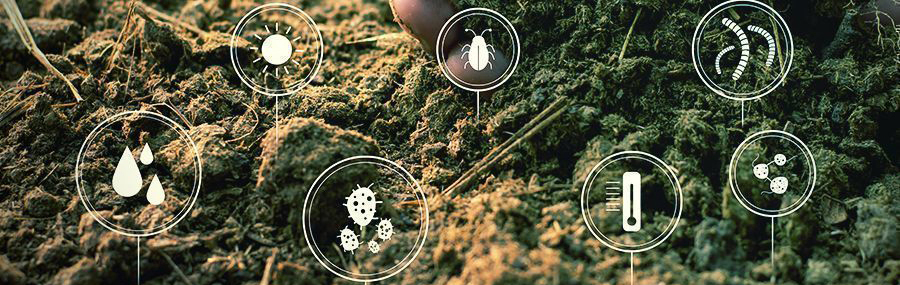
Items that originate from nature and can decompose are classified as wet garbage. Examples include kitchen waste and garden waste.
A composter is a machine designed for the treatment and recycling of organic waste or wet garbage. It is a self-contained system that utilizes microorganisms to perform composting under controlled conditions. An organic waste converter minimizes the carbon footprint, preventing polluting emissions and producing a valuable end product: organic fertilizer.
The general guideline is: any item that humans can eat, whether raw or cooked, can be placed into the machine. This process prevents polluting emissions and produces a useful end product—organic fertilizer.
Yes, the machine includes a hyalinization function that heats the unit to at least 70°C (160°F) for 60 minutes, effectively eliminating 97.3-99.9% of harmful pathogens and bacteria, such as Escherichia coli (E. coli) and Salmonella. Once this process is complete, the compost is safe to use as fertilizer.
Non-organic items, such as plastic, glass, and metal products, should not be placed into the machine. Doing so can cause damage and lead to malfunction.
Small bones, such as those from chicken and fish, can be placed into the machine. However, large bones from swine, lamb shanks, or cows are not recommended.
Only soft seafood shells, such as shrimp or prawn shells, can be placed into the machine. Lobster, crab, mussel, or clam shells should not be added, as their high calcium content prevents them from breaking down and may potentially damage the machine.
The machines can handle small amounts of yard trimmings like grass and leaves. However, adding plant roots is not recommended, as they can wrap around the machine's axis and blades.
Yes, it is recommended to replenish the microbes annually to maintain their effectiveness.
Adding food waste once a day is recommended for optimal operation, allowing 24 hours before adding more waste.
Small quantities of non-biodegradable materials do not affect the machine's biological processes, but they occupy valuable space and should be avoided. These materials can be removed through observation windows, if provided, or will be expelled with the compost from the machine's outlet.
The TMK Composter can handle up to 20% excess material. However, overloading it beyond this capacity may result in incomplete composting and produce foul odors.
The output can be used immediately, though a further curing period of 2 to 4 weeks is recommended for best results.
Using an organic waste composting machine is the best option for on-site composting. The machine employs an aerobic decomposing process that is odor-free and pathogen-free, producing manure that can be used as fertilizer.
Aerobic decomposition is the most effective method for oxidizing organic waste. This process uses aerobic microorganisms that require oxygen and release heat. Thermophilic bacteria (e.g., Bacillus species) in a closed vessel with a blower can mature the organic waste efficiently.
The processing capacity depends on the model. For example, the TMK-500 can process 500 kg of organic waste per day.
No, the machine uses aerobic digestion, involving continuous air intake and outlet, preventing the release of harmful gases.
Accepted items: Food waste, fish, fish bones, meat, meat bones, poultry, poultry bones, vegetables, fruits, fruit and vegetable peels, pasta, rice, bread, pastry, eggshells, manure, feces, yard waste, and trimmings from cattle, horses, and dogs. Avoid: Plastics, metal objects, construction waste, textiles, wood, wooden objects, and coconut shells.
Yes, it can be used directly, but it should be mixed with soil in a 10:1 ratio
Yes, the machine should be connected 24 hours a day. It consumes power for 8 to 11 hours, depending on the waste's humidity content, while the air supply blower and electronic circuit operate continuously.
Approximately 10% to 15% of the organic waste input is converted to compost.
The odor is managed by the Deodorization System included with the machine.
No, the machine is fully automatic, and a garbage collector can easily operate it by opening the lid and adding segregated waste.
A 12-month warranty is provided for manufacturing defects.
Use it as a soil nutrient in on-site gardens. Sell it to fertilizer companies or on e-commerce sites like Amazon, potentially fetching USD 20/kg or more. Donate it to nearby nurseries or farmers. Local government bodies might collect the compost, depending on your location.
When used at full capacity, compost typically needs to be offloaded once a week.
No, the proprietary microbes used in the TMK composter are active only at high temperatures (55°C or higher) and require oxygen, posing no threat to humans.
No, TMK composters mimic natural composting processes using proprietary bacteria, without producing harmful gases or grey water discharge.
Food waste dehydrators require sewer hookups, while TMK composters do not. Dehydrators produce dried food waste not recommended for soil amendment, whereas TMK composters produce nutrient-rich compost suitable for gardens.
Food waste digesters need a water supply and drainage hookup, resulting in grey water effluent requiring further treatment. TMK composters do not need water hookups and produce nutrient-rich compost for garden use.